Trudi Jacobson
Color and texture. They beguile me. Lure me. Tease me. Color and texture can enhance or detract. I weave. Weaving can be all about color and texture in the emerging cloth. Done well, it sizzles and shimmers. Otherwise, you might have a veritable reproduction of mud.
Art embraces color and texture. I collected art-themed postage stamps when I was young, arranged them by artist, and did research into each artist. I still have that collection. I visited museums with my mother when young, then on my own, with friends or my husband. I was entranced by much of what I saw. I took a college art history course in London, visiting the National Gallery to see the works we studied in person. I wanted to know why there seemed to be so few women artists. In my quest, I received a study grant to travel to England to learn more about Lady Elizabeth Butler.
But art was for others to produce, me to admire. I couldn’t even draw a realistic stick figure. I never considered aspiring to try to create art myself. Until I did.
I started with a popular book Learn to Paint in Acrylics with 50 Small Paintings by Mark Daniel Nelson and some 6” x 6” canvases. I began reproducing images from the book. Some were better, some worse. Each one of them, even if mediocre, excited me. Maybe, just maybe, I could do this. Of course, it would take time and practice. Did I have the courage to go forward, though? One can’t claim beginner status forever–eventually one has to take responsibility for one’s progress, or lack of progress.
Where does metaliteracy fit into all of this? Its impact was subtle but substantive. I only started to think about this when Tom suggested I consider writing a blog post on this topic. When I was taking my first tentative forays in painting, I was heavily involved with shaping and sharing metaliteracy. Tom and I recognized and developed the metaliterate learner roles. At the time, Dr. Sally Friedman, a professor of political science and friend, was very interested in engaging her students with metaliteracy concepts. She asked them to consider their strengths and goals in connection with the metaliterate learner roles. Which role would they each like to become more comfortable with by the end of the course? We developed similar learning activities for our first global Coursera MOOC Metaliteracy: Empowering Yourself in a Connected World.
I realized I should be asking myself the same question. I’d always produced content, but mostly as an author dealing with the written word. But could I be brave and follow the path of a producer of art? Would the affective components of learning something so new and discomforting to me steer me away from this pursuit? Might I engage the metacognitive component to sort myself out?
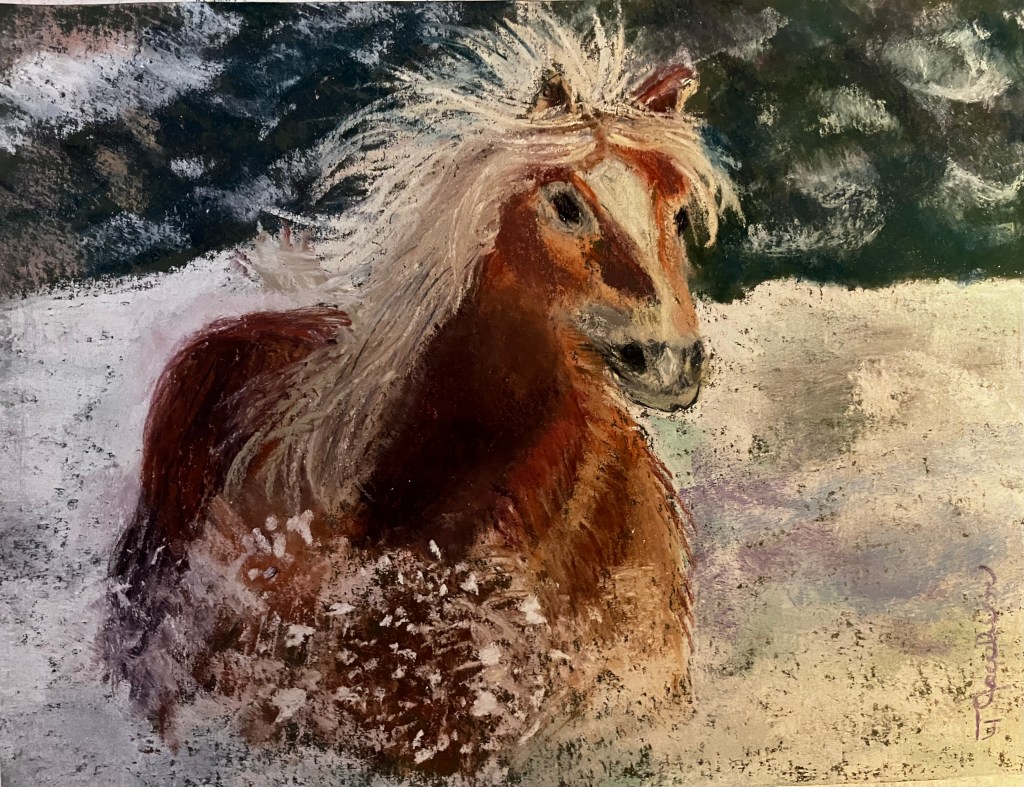
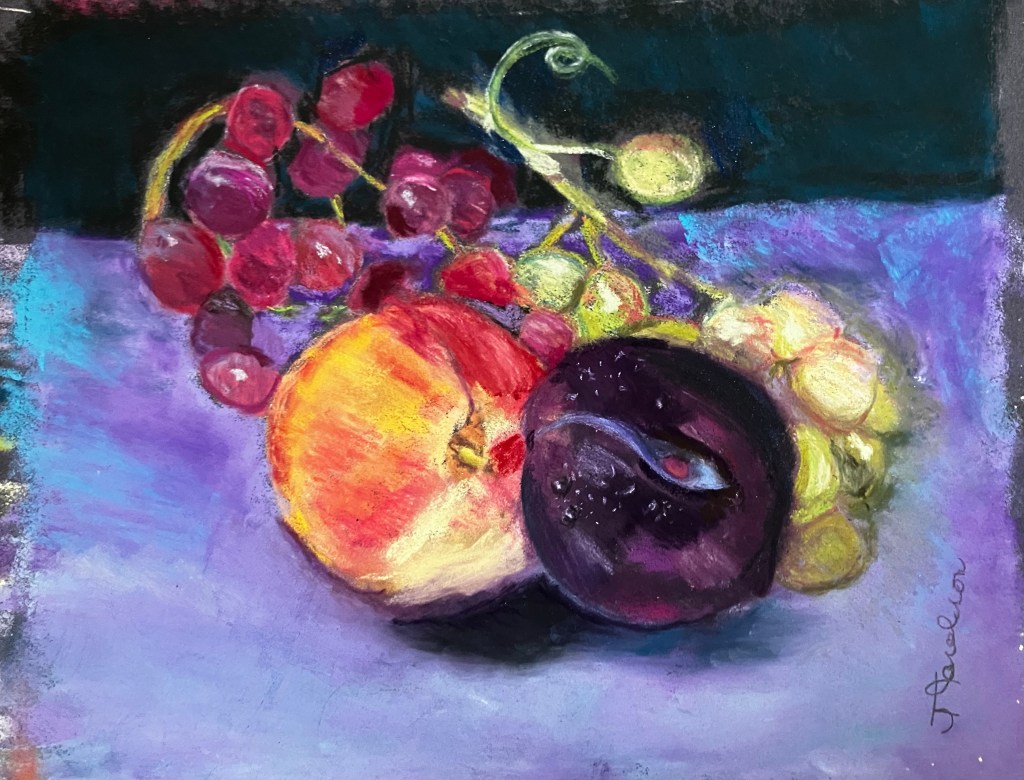
It seemed I could. I sought online and in-person learning opportunities to help with my steep learning curve. I had to consider the metaliterate learner characteristics that would help me on my journey. The participatory characteristic is vital, closely aligned with being adaptable, reflective, collaborative, and civic-minded. These attributes were all critical when I was invited to join a group of women who met weekly to practice art and support one another’s efforts. At first, I felt like a fraud, masquerading as an artist but really just an artist wannabe. But I continued to participate. I brought my medium of choice at the time, watercolor. But when a group member suggested I try pastels and lent me the materials, I had to grapple with a medium that threw me back to being a beginner all over again. I focused on adaptability, reflecting that this established artist had her reasons for encouraging me to take this step in my learning process. As it turned out, she steered my artistic efforts in a crucial way. I love the immediacy and vibrant color of pastels.
As for the collaborative characteristic, group members work together to mount exhibits several times a year at local public libraries. Showing one’s work can be a bit scary, but the support of the group members makes it much easier. And civic-minded? I developed and maintain a website for the group as another means of sharing our work with a wide community.
In the interest of length, I’ve just skimmed the surface of metaliteracy’s impact on me as a learner creating art. But perhaps it might prompt reflection on your part as you consider metaliteracy’s role in something new you are learning.
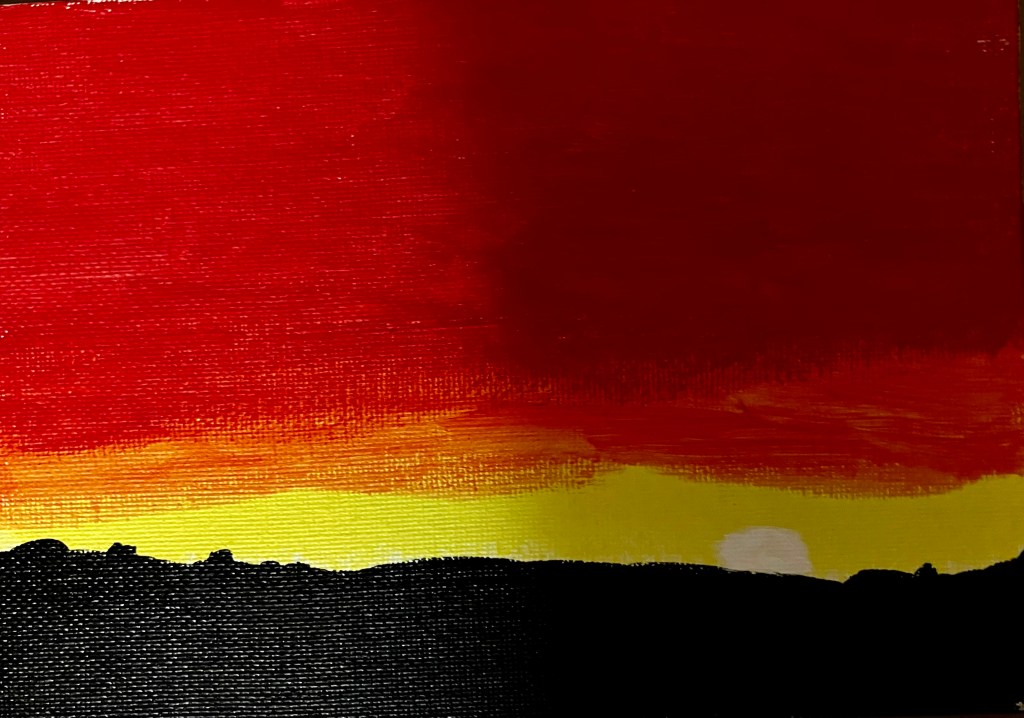
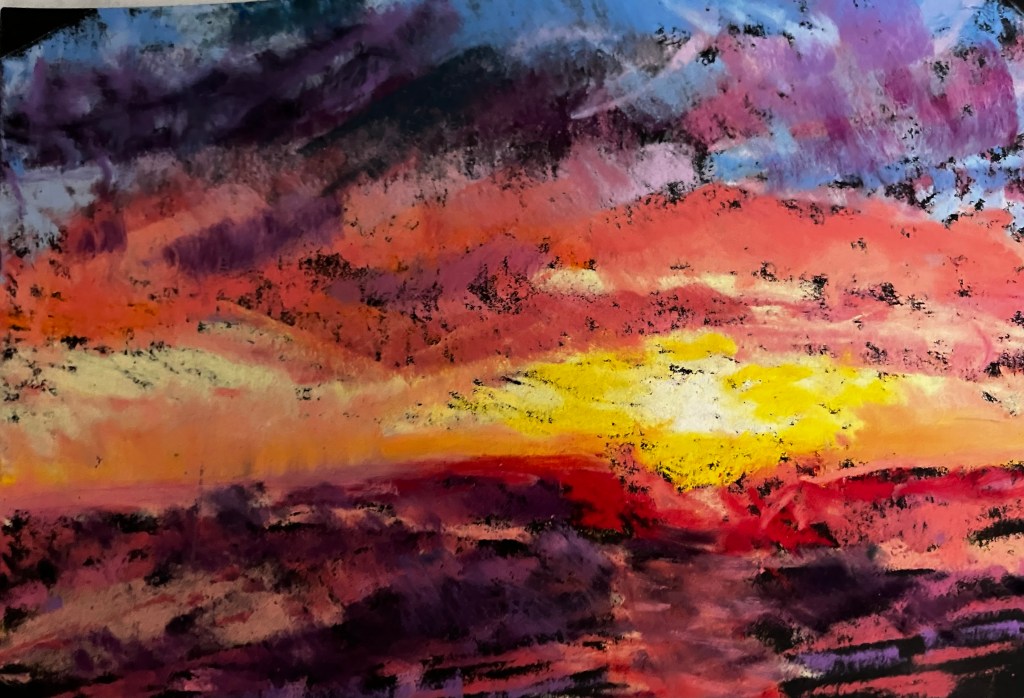
Let me share some works that document my continuing evolution as a painter. Other than the first two which are very early works, I am particularly happy with these paintings that just a few years ago I would never, ever have thought I could produce! And if you are engaged on your own development as an artist of any type, I highly recommend Art & Fear: Observations on the Perils (and Rewards) of Artmaking by David Bayles and Ted Orland.



 Metaliteracy.org